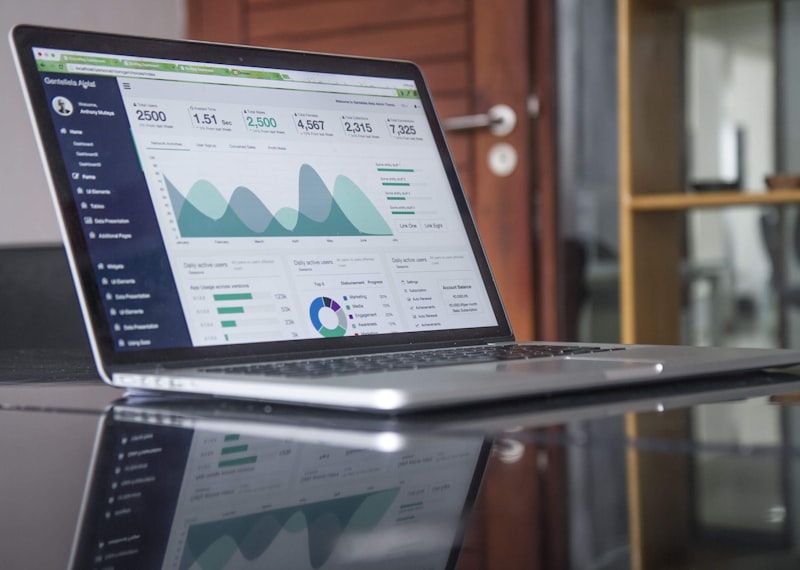
You're probably already aware that delivery platforms have become a game-changer for small businesses. But are you making the most of them? A staggering 70% of consumers say they're more likely to order from restaurants that offer delivery. The average order value on delivery platforms is $25-$35. And a well-optimised menu can increase sales by up to 15%.
70↑
Percentage of consumers who prefer delivery
from restaurants that offer delivery
75→
Percentage of consumers who prefer delivery
from restaurants that don't offer delivery
85↑
Percentage of consumers who prefer delivery
who order from restaurants on delivery platforms
90↑
Percentage of consumers who prefer delivery
who prefer to order from restaurants on delivery platforms
Optimising your menu on delivery platforms can seem daunting, but it's not rocket science. By following these simple steps, you can increase revenue, reduce waste, and boost customer satisfaction.
Take a close look at your menu and identify dishes that are most popular, profitable, and easy to produce. Consider factors like ingredient costs, preparation time, and portion sizes. You want to focus on items that will appeal to a wide range of customers and maximise your profit margins.
Look at your sales data to see which dishes are selling well and which ones are not. Use this information to adjust your menu and pricing strategy. For example, if you notice that customers are consistently ordering a certain dish, consider offering it as a special or promotion to drive sales.
Sales data from last quarter
When optimising your menu for delivery, consider the following factors:
- Portion sizes: Make sure your portion sizes are suitable for delivery. You don't want to send out large portions that are difficult to eat on the go.
- Packaging: Choose packaging that is eco-friendly, durable, and easy to use. Consider using compostable or biodegradable containers.
- Menu simplification: Simplify your menu to make it easier for customers to order and for you to produce. Consider removing items that are difficult to produce or have low sales.
Step 4: Use Visuals to Stand Out
Use high-quality visuals to make your menu stand out on delivery platforms. Consider adding:
- Photos: Add high-quality photos of your dishes to make them look appealing to customers.
- Videos: Create short videos that showcase your menu items and cooking process.
- Description: Write detailed descriptions of your dishes to highlight ingredients, cooking methods, and unique selling points.
Tip: Offer Customisation Options
Offer customisation options to make your menu more appealing to customers. This could include:
- Special requests: Allow customers to request special modifications to their orders, such as gluten-free or vegan options.
- Toppings: Offer a range of toppings or sauces that customers can add to their orders.
- Combo meals: Offer combo meals that include a main dish, side, and drink.
Avoid overcomplicating your menu by offering too many options or complex dishes. This can lead to:
- Menu fatigue: Customers may become overwhelmed by too many options and choose to order from a competitor.
- Production issues: Complex dishes can be difficult to produce in large quantities, leading to production issues and delays.
Here are some popular menu items that you may consider adding to your delivery platform:
- Coffee: A classic coffee with a range of milk and sugar options.
- Sandwiches: A variety of sandwiches, including vegetarian and vegan options.
- Salads: A range of salads, including classic green salads and more substantial grain-based salads.
- Desserts: A selection of sweet treats, including cakes, cookies, and pastries.
At DataLatte, we believe that menu optimisation is key to driving revenue growth and customer satisfaction. By following these simple steps, you can create a menu that appeals to a wide range of customers and maximises your profit margins.
Frequently Asked Questions
Q: How often should I update my menu on delivery platforms?
A: We recommend updating your menu at least once a quarter to reflect changes in customer demand and seasonality.
Q: Can I use the same menu for both delivery and in-store orders?
A: Yes, you can use the same menu for both delivery and in-store orders, but consider optimising your menu for delivery to make it easier for customers to order and for you to produce.
Q: How do I handle customer requests for special modifications to their orders?
A: Consider adding a section to your menu that outlines special requests and modifications, and make sure your staff are trained to handle these requests efficiently.
If you want help optimising your menu on delivery platforms, contact us at DataLatte for a free audit. Our team of experts will work with you to create a menu that drives revenue growth and customer satisfaction.
Callout: Don't Miss Out on Revenue Growth
Don't miss out on revenue growth by optimising your menu on delivery platforms. Contact us today to learn more about our services and how we can help you achieve your business goals.
Contact us for a free audit and let's work together to maximise your revenue growth.
Frequently Asked Questions
Q: Do I really need separate photos for every item on my delivery menu?
Yes. Items with photos get 2–3x more orders than items without. Items with bad photos (grainy, dark, unappetizing) get fewer orders than items with no photo at all. You don't need a professional photographer for every item, but you do need good, consistent lighting and a clean background. One hour with a local photographer ($200–400) can cover 10–15 items. If you can't afford that, take photos by a window in natural light with a clean white plate. No filters. No shadows. No other food in the frame.
Q: What if my items don't travel well? Should I still list them on delivery platforms?
No. If your item turns into a sad, soggy mess after twenty minutes in a delivery bag, remove it. A deli in Philadelphia kept their “crispy chicken wrap” on the menu even though it arrived as a wet, wilted disaster. It had a 28% return rate and a 1.2-star rating on Uber Eats. They removed it and replaced it with a grain bowl that held up better. Their overall delivery rating went from 3.8 to 4.6 within three weeks. Customers don't blame the platform—they blame you.
Q: Should I lower my prices on delivery to compete with the big chains?
Never. You cannot win on price against McDonald's. They have economies of scale you don't have. What you can win on is quality, uniqueness, and customer experience. Raise your prices 15–25% on delivery to cover platform fees. Customers expect it. If you're worried about looking expensive, add a $0.50 “free delivery” threshold that encourages higher orders. A bagel shop in NYC raised their delivery prices 20% and lost exactly two customers. Their revenue went up 18% and their profit went up 40%.
Q: How often should I update my delivery menu?
At minimum, once per quarter. At best, once per month. Remove items that sell fewer than five times per month. Add seasonal items. Update photos if you changed the recipe or presentation. A coffee shop in Denver updates their menu the first Monday of every month. They remove the bottom three sellers, add one seasonal item, and rotate their add-ons. Their repeat customer rate on delivery is 47% versus the industry average of 22%.
Q: Is it worth paying for promoted placement on DoorDash or Uber Eats?
Only if you track the math. Promoted placement costs 10–15% more in commission. You need to see a 30–40% increase in orders to break even. Test it for two weeks with a $200 budget. If your cost per acquisition is lower than your average profit per order, keep it. If not, stop. Most small business owners waste $500–1,000/month on promoted placement they never measure. A pizza place in Austin ran a $300 promotion that brought in $900 in revenue but only $180 in profit after the extra commission. They turned it off and redirected the money to better photos.
Q: Should I use the same menu on all delivery platforms or customize per platform?
Customize. Uber Eats customers tend to order dinner and are willing to spend more. DoorDash customers order lunch and are more price-sensitive. GrubHub customers skew older and order family-size meals. List different items and price points on each platform. A sandwich shop in Chicago runs their premium items on Uber Eats ($14–18 range) and their value combos on DoorDash ($9–12). Same kitchen, different menus, higher profit on both.
I once watched a client spend six months obsessing over their website redesign while their delivery menu hadn't been touched in two years. The website brought in maybe three new customers a month. The delivery menu was losing them $2,000/month in missed revenue. Prioritize the thing that actually brings in money. Most business owners get this backwards—they polish the front door while the back room is on fire. Your delivery menu is the back room. Clean it up first.
If you want me to audit your current delivery menu and tell you exactly which items to cut, which to reprice, and which to promote, I can do that. It takes about an hour. You'll get a spreadsheet with every item ranked by profit margin, and a list of changes that will take you an afternoon to implement.
Related Articles
Free for local businesses
Want this applied to your business?
I'll review your Google presence, local SEO, and ad accounts — and send you a specific action plan within 48 hours. No pitch, no pressure.