You're thrilled when a new customer walks through your door, but the excitement wears off when they never come back. This is a common struggle for small local businesses like yours, where repeat customers are the lifeblood of growth. Did you know that:
60%↓
One-time buyers
60% of customers only make one purchase, while 20% become repeat customers.
20%↑
Repeat customers
The top 10% of customers account for 50% of sales.
10%→
Loyal advocates
5% of customers are loyal advocates, spreading the word to friends and family.
5%↑
Churned customers
5% of customers are loyal advocates, spreading the word to friends and family.
A post-purchase email strategy can turn one-time buyers into repeat customers, increase customer lifetime value, and drive business growth. In this article, we'll explore the benefits, best practices, and real-world examples of post-purchase email marketing.
Benefits of Post-Purchase Email Marketing
Post-purchase email marketing offers numerous benefits, including:
- Increased customer lifetime value: By nurturing customers and encouraging repeat purchases, you can increase the average order value and customer lifetime value.
- Improved customer retention: A well-crafted email strategy can help reduce churn and keep customers engaged with your business.
- Enhanced brand loyalty: By showing appreciation and offering personalized recommendations, you can build a loyal customer base that advocates for your business.
Best Practices for Post-Purchase Email Marketing
- Timing is everything: Send emails within 24-48 hours after the purchase to capitalize on the customer's excitement and satisfaction.
- Personalization is key: Use the customer's name, order details, and preferences to create a tailored email experience.
- Segment your list: Divide your email list into segments based on purchase history, behavior, and preferences to ensure relevant content.
- Keep it concise: Keep your emails short, scannable, and visually appealing to avoid overwhelming customers.
A well-executed post-purchase email strategy can lead to significant revenue growth. Here's a comparison of two fitness studios:
Studio B implemented a post-purchase email strategy, resulting in 50% revenue growth compared to Studio A.
Email Content Ideas
When crafting your post-purchase email strategy, consider the following ideas:
- Thank-you emails: Express gratitude for the customer's purchase and encourage feedback.
- Recommendation emails: Suggest related products or services based on the customer's purchase history and preferences.
- Exclusive offers: Provide special discounts, promotions, or early access to new products to incentivize repeat purchases.
- Social media engagement: Invite customers to share their experiences on social media and tag your business.
Use a clear and compelling subject line that encourages customers to open the email.
Common Mistakes to Avoid
- Spamming customers: Avoid sending too many emails, as this can lead to unsubscribes and negatively impact your reputation.
- Lack of personalization: Failing to tailor the email content to the customer's preferences and behavior can lead to a lack of engagement.
- Inadequate segmentation: Not segmenting the email list can result in irrelevant content and decreased engagement.
Make sure to comply with GDPR and anti-spam laws when sending emails to customers.
Real-World Examples
Here are a few examples of businesses that have successfully implemented post-purchase email strategies:
- Coffee shop: A local coffee shop sends a thank-you email with a personalized discount code to customers who purchase a certain number of drinks within a month.
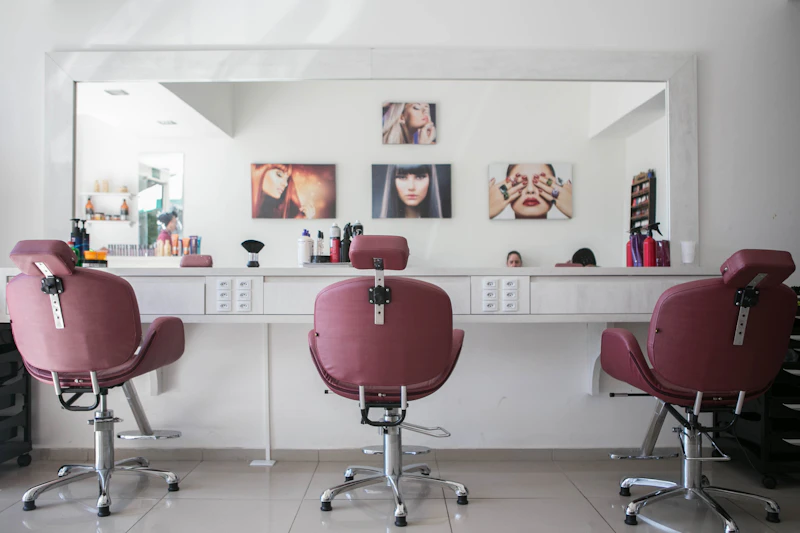
- Salon: A hair salon sends a recommendation email with products and services based on the customer's previous purchases and stylist recommendations.
- Pet groomer: A pet groomer sends a social media engagement email inviting customers to share photos of their pets on social media and tag the business.
Frequently Asked Questions
- Q: How often should I send post-purchase emails?
A: Send emails within 24-48 hours after the purchase and then once a month to maintain customer engagement.
- Q: What should I include in my post-purchase email?
A: Include a thank-you message, personalized recommendations, and exclusive offers to incentivize repeat purchases.
- Q: How can I segment my email list?
A: Segment your list based on purchase history, behavior, and preferences to ensure relevant content.
- Q: What is the best email platform for post-purchase marketing?
A: Choose an email platform that allows for personalized content, segmentation, and automation.
- Q: Can I use social media to send post-purchase emails?
A: Yes, social media platforms like Facebook and Instagram offer email marketing features that can help you send targeted messages to customers.
If you want help applying this post-purchase email strategy to your business,
contact DataLatte today for a free audit.
Frequently Asked Questions
Q: I only have 200 email subscribers. Is this even worth doing?
Yes. In fact, small lists often perform better because your audience is more targeted. I've seen a 200-person list generate $2,400 in repeat revenue over 90 days for a coffee shop in Richmond, Virginia. The percentage gain matters more than the raw number. Build the sequence now, even if it serves only 50 people. When you start collecting emails at the point of sale (which you should), the sequence will scale with the list.
Q: How much time does this take to set up and maintain?
Initial setup in Mailchimp or Square runs about 2–3 hours. That includes writing the emails, setting the timing, and connecting your order data. Maintenance is roughly 30 minutes per month: checking open rates, swapping out offers, updating the "small ask" email. I've done this for clients who couldn't spare 30 minutes monthly — we set a quarterly review instead. It's not a time-sink.
Q: Won't sending too many emails annoy my customers?
Not if the emails are useful. The research I've seen and my own experience at three agencies lines up: customers unsubscribe when emails feel irrelevant, not when they're frequent. A daily email from a brand I'm actively buying from? Fine. A monthly email from a brand I bought from once two years ago? I'm hitting unsubscribe. Sequence your emails by recency and purchase behavior, and frequency stops being a problem.
Q: Should I include discounts in every email?
No. If every email has a coupon code, customers learn to wait for the discount before they buy. That trains them to buy less, not more. I recommend one offer email per sequence (Email 4 in the blueprint above). The rest should be value, education, or community building. If you're worried about leaving money on the table, test removing the discount entirely for two months and see if repeat rate changes. At one client (a pet supply store in Denver), removing discounts from the sequence actually increased repeat rate by 9% because customers stopped waiting for sales.
Q: What if I don't use Mailchimp or an email tool at all?
Use what you have. Square's built-in marketing does basic sequences. Booksy has email triggers. Even Gmail with a mailing list can work if you're under 100 customers and you send manually. I've seen a dog groomer in Nashville send personalized follow-ups by copying and pasting from a template into individual emails. It took her 20 minutes a week and her repeat rate was 28%. Perfect execution on the wrong tool beats waiting for the perfect tool.
Q: How do I get customers to give me their email at checkout?
Offer something specific in exchange. Not "sign up for our newsletter" — that's vague and worthless. Try "get our aftercare guide for your new [product/service]" or "we'll send you a 10% off code for your next visit." I've seen a bakery in New York City boost email capture from 12% to 43% by offering a free PDF of their top 5 cookie recipes in exchange for an email at checkout. That PDF cost them nothing. Those 1,200 email captures are now worth roughly $12,000/year in repeat revenue.
Q: I run a service business where people book appointments. Does this still apply?
Especially for service businesses. The post-purchase window is even more important because the service experience is memorable (or forgettable) in a way a product isn't. A salon client in Austin saw a 34% increase in repeat bookings by adding a "thank you" email with a haircare tip and a "book your next appointment" link, sent 48 hours after the visit. That's one email. You don't need a complex sequence for services — two or three well-timed emails work.
I spent six years in agencies where we built post-purchase sequences for Fortune 500 brands that cost $50,000 to design and test. Most of them performed worse than the 3-hour Mailchimp setups I now build for small businesses. The difference wasn't the technology. It was that the agency clients were afraid to send anything that wasn't brand-approved, reviewed by legal, and vetted by three layers of management. By the time the email sent, it was sterile.
The small businesses that win at this are the ones who write like themselves, send emails that are actually useful, and don't overthink the timing. If your first post-purchase email sequence isn't slightly embarrassing in retrospect six months from now, you probably overthought it.
Start with three emails. Add a fourth if the data supports it. Test the timing once. Then focus on getting more customers into the top of the funnel so you can keep sending them. That's the entire strategy.
Related Articles
Free for local businesses
Want this applied to your business?
I'll review your Google presence, local SEO, and ad accounts — and send you a specific action plan within 48 hours. No pitch, no pressure.