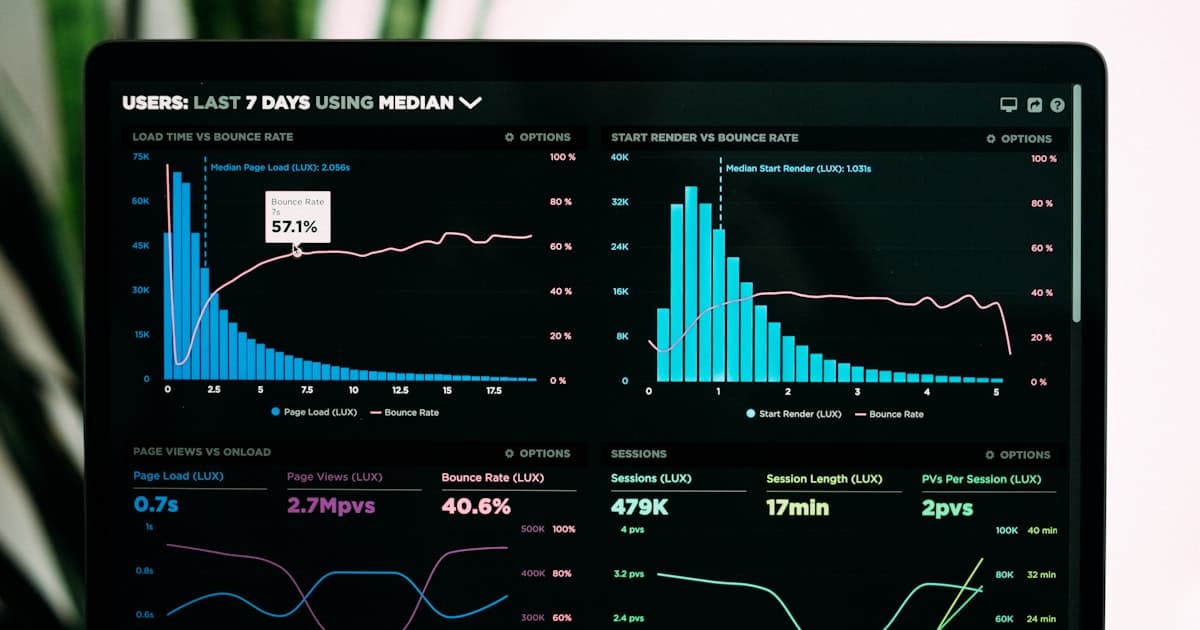
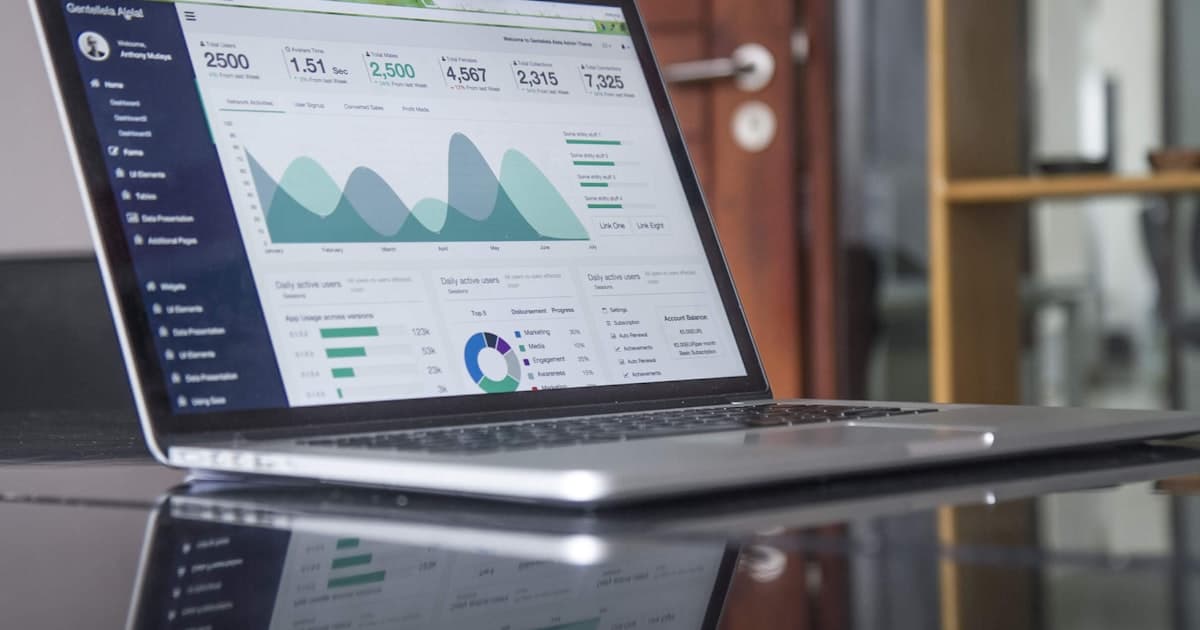
You're drowning in data but starving for insights. As a local business owner, you want to make informed decisions, but manual analysis is time-consuming and often misleading.
80↑
Businesses using data analytics
expect significant revenue growth
60↑
Businesses seeing ROI from analytics
within 6 months of implementation
40↓
Small businesses with in-house analytics team
spend over 20 hours/month on manual analysis
25↑
Local businesses using AI-driven analytics
are currently leveraging AI for data insights
What are AI-Driven Analytics?
AI-driven analytics uses machine learning algorithms to analyze vast amounts of data, identify patterns, and provide actionable insights. For local businesses, this means getting a clear picture of customer behavior, preferences, and pain points without manual data crunching.
Want expert help? DataLatte's
analytics & reporting service is built specifically for local small businesses.
Benefits for Local Businesses
AI-driven analytics offers several benefits:
- Predictive insights: forecast sales, identify trends, and optimize operations
- Customer segmentation: understand your audience better and tailor marketing efforts
- Real-time monitoring: track performance and make data-informed decisions
- Automation: save time and reduce manual analysis
Implementing AI-Driven Analytics
To get started, you'll need:
- Data collection: integrate AI tools with existing systems (e.g., POS, CRM, website)
- Goal setting: define key performance indicators (KPIs) and objectives
- Tool selection: choose an AI-driven analytics platform that fits your needs and budget
With AI-driven analytics, you can:
- Identify areas for improvement: optimize marketing campaigns, menu offerings, or services
- Enhance customer experience: tailor offerings to meet customer needs and preferences
- Monitor competitors: stay ahead of the competition with market insights
Average customer retention rates for local businesses
Frequently Asked Questions
Q: Do I need a data scientist to use AI-driven analytics?
No. The tools I've mentioned — Square Analytics, Booksy, Gingr, Mailchimp — are designed for business owners, not analysts. They use AI in the background to surface insights. You don't need to write code or build models. You need to ask the right questions and be willing to act on what you see.
Q: Which tool should I start with?
Start with the tool you already use for payments or booking. If you process payments through Square, use Square Analytics. If you take appointments via Booksy, start there. Adding a separate analytics tool before your core system is integrated creates more complexity than value. Once you've mastered one source, you can layer on Google Analytics or Looker Studio for a bigger picture.
Q: How long until I see results from AI analytics?
With the right setup, you'll see actionable insights within your first week. A salon I worked with had a "repeat custom" pattern identified in 3 days — she shifted her ad spend to the customers who booked regularly and saw a 20% increase in rebooking within two weeks. The real time lag isn't the tool; it's deciding to change something based on the data. Most business owners wait too long.
Q: Can AI analytics work if I only have one location?
Yes. In fact, single-location businesses often have cleaner data because there's less noise. A single-location coffee shop in Portland had 300 regulars. The AI identified that 80% of their revenue came from a "morning commuter" segment who bought drip coffee + a pastry. They doubled down on that combo, increasing average ticket by $1.50. One location, big impact.
Q: Won't this take a lot of time to set up and maintain?
Setup takes 2-4 hours if you're integrating your existing systems. Maintenance is near zero if you use tools that auto-import data. The time savings come from not manually crunching numbers. One bakery owner was spending 10 hours/month tallying sales on paper. After setting up Square Analytics, that became 30 minutes per month. So the net time gain is positive after the first month.
Q: What if I don't have enough data yet?
If you've been in business for 3+ months, you have enough data. Three months of transactions — even 100 records — can reveal patterns. If you're a brand-new business, focus on getting 50 sales first, then start using the analytics. Until then, your best "AI" is talking to customers directly.
Q: Isn't this just another tech subscription I'll forget about?
It can be, if you set it up and walk away. The key is to schedule a 15-minute weekly review. Pick one metric (e.g., "which service made the most profit this week"), look at the data, and make one change. If you don't act on it within 24 hours, you're just paying for a dashboard that sits in a tab you never open. I've seen both outcomes. It depends on whether you treat analytics as a habit or an expense.
Here's the uncomfortable truth I've learned from a decade at agencies handling $100M+ budgets: most businesses — big ones, too — collect data they never use. They buy tools they don't understand. They hire consultants who confuse them with complexity. And they keep making the same gut-feel decisions that got them stuck in the first place.
I started DataLatte because I got tired of watching small business owners get handed off to junior analysts who didn't know a coffee shop from a car dealership. You don't need a 50-page deck. You need one clear answer to a question you're already asking — like "should I raise my prices?" or "why are Tuesday afternoons dead?" That answer is in your data, waiting for someone to pull it out without the jargon.
So if you're reading this and thinking "I should probably do something with my data but I don't know where to start" — that's normal. That's exactly why I'm here.
Book a free consultation. Bring your dashboard login, your bank statement, and whatever coffee you're drinking. We'll figure out the one thing you can change this week that actually moves the needle. No fluff, no six-month timeline, no junior analyst. Just a direct answer.
Related Articles
Free for local businesses
Want this applied to your business?
I'll review your Google presence, local SEO, and ad accounts — and send you a specific action plan within 48 hours. No pitch, no pressure.